Struggling with APD Testing Near You? 5 Things Austin and Round Rock Audiologists Check First
- Category: Blog
- Posted On:
- Written By: Associates of Audiology

If you're dealing with hearing difficulties that go beyond just "not hearing well enough," you might be wondering about Auditory Processing Disorder (APD). Maybe your child struggles to follow directions in noisy classrooms, or you find yourself constantly asking "what?" even though you know you can hear. The good news? Austin and Round Rock have some fantastic audiologists who know exactly how to get to the bottom of what's going on.
But here's the thing – APD testing isn't like your regular hearing test. It's more complex, and honestly, it can feel a bit overwhelming if you don't know what to expect. That's why we're breaking down the five key things your local audiologists will check first when you come in for APD testing.
1. Your Eardrum Function (Because Basics Matter)
Before diving into the complex stuff, your audiologist needs to make sure the "simple" parts of your hearing are working properly. Think of it like checking if your car's tires have air before diagnosing engine problems.
The first test you'll likely get is called tympanometry. Don't let the fancy name scare you – it's actually pretty straightforward. Your audiologist will place a soft probe in your ear that sends tiny puffs of air pressure toward your eardrum. What they're looking for is how well your eardrum moves in response to these pressure changes.
Why does this matter for APD? Well, if your eardrum isn't moving properly, it could explain why you're having trouble hearing clearly. There's no point in doing complex brain-pathway testing if the issue is actually something mechanical in your ear. It's like troubleshooting 101 – start with the basics.
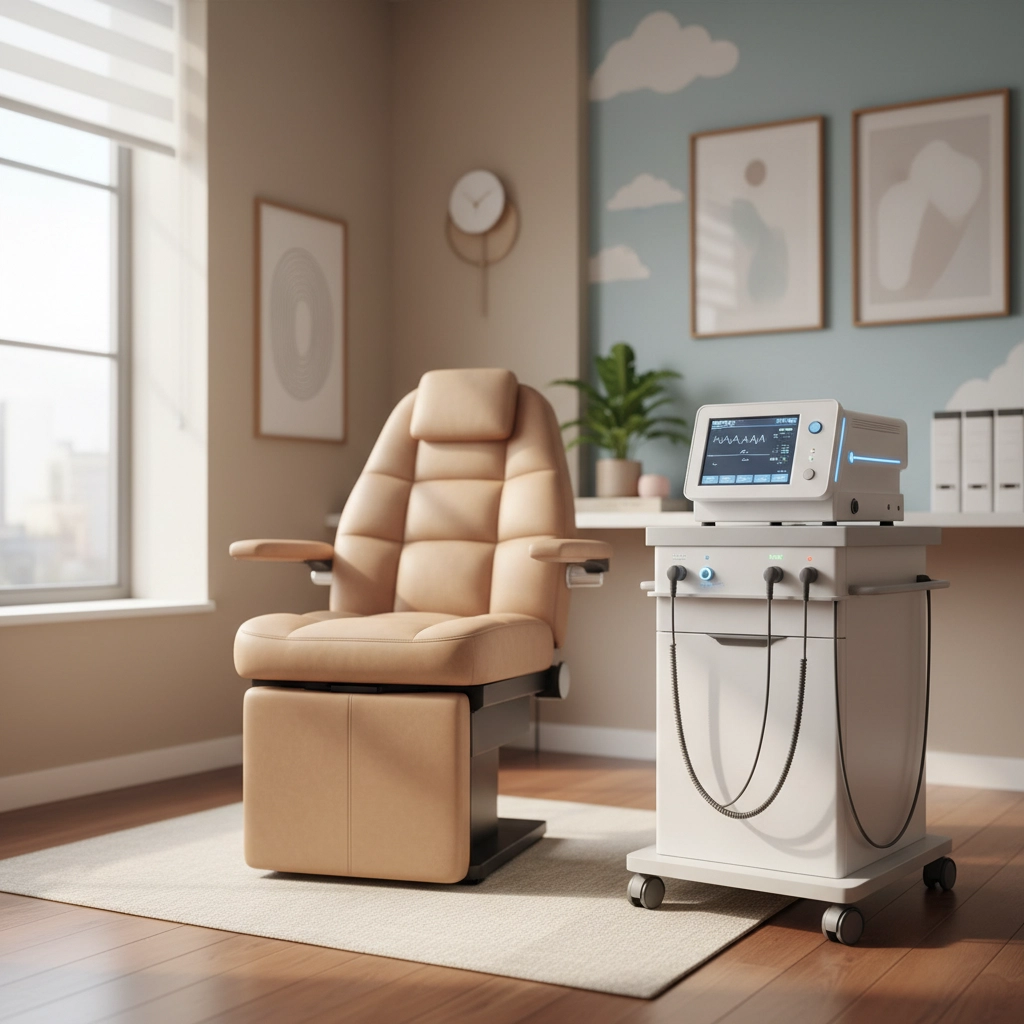
This test is quick, painless, and gives your audiologist crucial information about whether your middle ear is functioning normally. If everything checks out here, they know they can move on to more specialized testing.
2. How Your Ears React to Loud Sounds
Next up is something called the acoustic reflex test. This one's pretty cool when you understand what's happening. Your audiologist is basically testing your ear's built-in protection system.
When you hear a loud sound, your middle ear muscles automatically tighten to protect your inner ear from damage. It's like how your pupils constrict in bright light – it happens automatically. During this test, your audiologist plays sounds at different volumes and measures whether this protective reflex is working properly.
For APD testing, this is important because problems with this reflex can indicate issues with the nerve pathways between your ears and brain. If this basic reflex isn't working right, it might explain some of the processing difficulties you're experiencing.
The test itself is comfortable – you'll just hear some sounds through headphones while the equipment measures your ear's responses. Most people find it kind of fascinating to learn about this protective mechanism they never knew they had.
3. The Inner Ear to Brain Highway Check
Here's where things get more sophisticated. The auditory brainstem response (ABR) test is like getting a detailed map of how sound travels from your inner ear to your brain. Austin and Round Rock audiologists use this test to see if the "highway" between your ears and brain is clear and functioning properly.
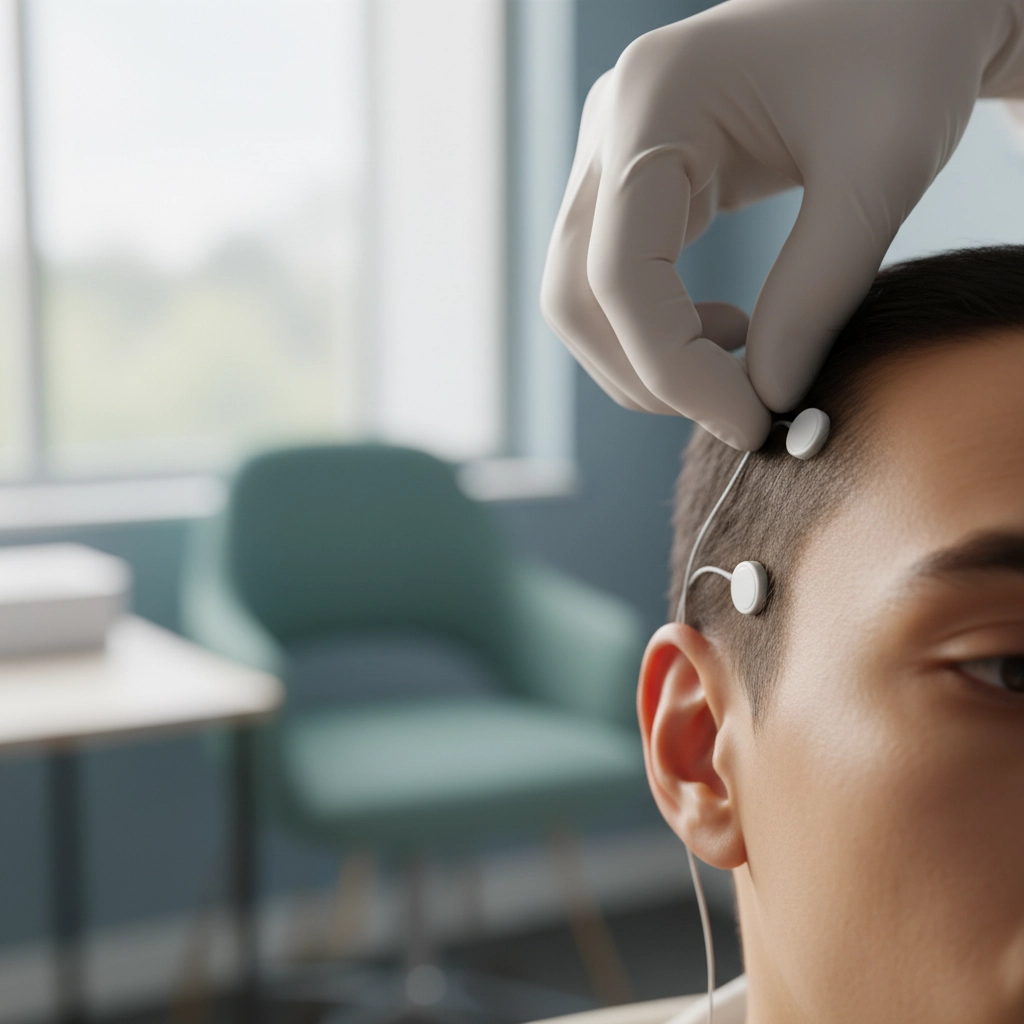
During an ABR test, you'll have small sensors placed around your ears and on your head – think of them as tiny listening devices that can "hear" what your nerves are doing. Then you'll listen to clicking sounds through headphones while a computer records how your auditory nerves respond.
What's really neat about this test is that it's completely objective. You don't have to do anything except relax (you can even sleep through it!). The computer measures the electrical activity in your auditory pathway and can pinpoint exactly where any problems might be occurring.
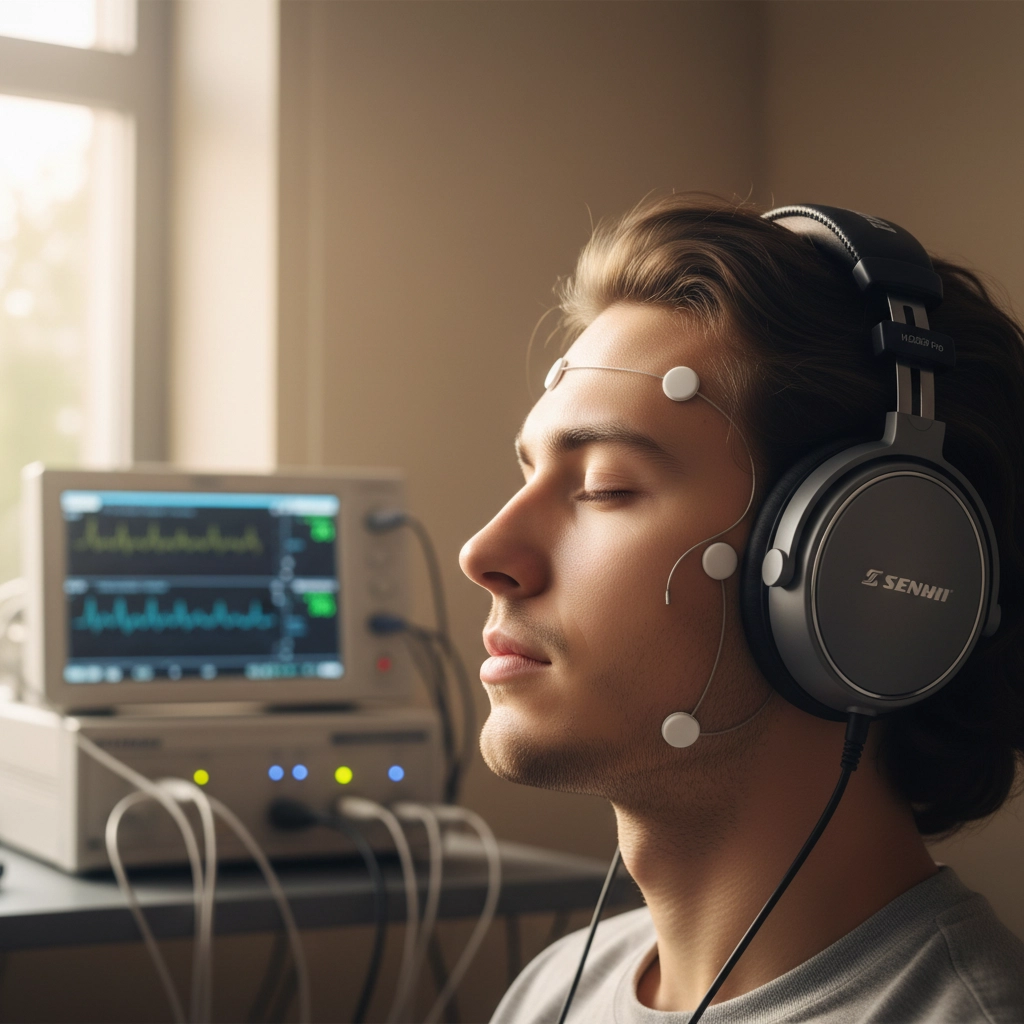
For people suspected of having APD, this test is crucial because it can show whether sound signals are reaching the brain properly. If they're not, that could explain why you have trouble processing what you hear, even when your "regular" hearing seems fine.
4. Tracking Nerve Signal Quality
The evoked potential test takes things one step further by examining the quality of nerve signals as they travel from your ears to different parts of your brain. If the ABR test is like checking if the highway exists, the evoked potential test is like checking if the traffic is flowing smoothly.
This test uses similar equipment to the ABR – sensors on your head connected to a computer – but it focuses on how well sound information reaches various processing centers in your brain. Your audiologist can see if the signals are getting delayed, weakened, or distorted along the way.
This is particularly important for APD because the disorder often involves problems with how the brain interprets and processes auditory information, even when the initial hearing is normal. Think of it like having a perfectly good phone line, but the call keeps getting garbled somewhere along the way.
5. Your Real-World Symptoms and Experiences
Here's something that might surprise you – one of the most important parts of APD testing isn't a test at all. It's a detailed conversation about your actual experiences and symptoms.
Local audiologists in Austin and Round Rock spend significant time understanding your specific challenges. Are you easily distracted by background noise? Do you frequently ask people to repeat themselves? Have trouble following multi-step directions? Struggle to distinguish between similar sounds?

These conversations are incredibly valuable because APD affects everyone differently. Some people have trouble processing speech in noisy environments, while others struggle with remembering verbal instructions or have difficulty with reading and spelling due to phonological processing issues.
Your audiologist might also talk with family members, teachers (for children), or coworkers to get a complete picture of how these challenges show up in different environments. It's like putting together a puzzle – each piece of information helps create a clearer picture of what's going on.
What Happens After These Initial Checks?
Once your Austin or Round Rock audiologist completes these five initial assessments, they'll have a much clearer picture of what's happening with your hearing and auditory processing. If APD is suspected, you might need additional specialized testing that digs deeper into specific aspects of auditory processing.
The great news is that auditory processing disorder testing has come a long way. Local providers understand that this can be a frustrating journey for patients and families, and they're committed to making the process as smooth and informative as possible.
Some audiologists in the area also offer auditory training programs for those diagnosed with APD. These programs can be incredibly helpful in developing coping strategies and improving auditory processing skills over time.
Making the Most of Your APD Testing Experience
If you're heading in for APD testing, here are a few things that can help make the experience more productive:
Come prepared with specific examples of your hearing difficulties. The more detailed information you can provide, the better your audiologist can understand your unique situation.
Bring a family member or friend if possible, especially for children's appointments. They might notice things or remember situations that you've forgotten.
Don't worry about "performing well" on the tests. These assessments are designed to identify problems, so being honest about your difficulties is exactly what your audiologist needs.
Remember that getting answers is the first step toward getting help. APD can significantly impact quality of life, but with proper diagnosis and support, most people see substantial improvement in their daily functioning.
Finding the Right Support in Central Texas
The Austin and Round Rock area has excellent resources for APD testing and treatment. Whether you're dealing with work-related hearing challenges, concerned about a child's learning difficulties, or just trying to understand why conversations seem so much harder than they used to be, local audiologists are equipped to help.
The key is not to wait too long. The sooner you get proper evaluation, the sooner you can start addressing these challenges and improving your quality of life. APD doesn't just go away on its own, but with the right support and strategies, it's definitely manageable.
If you're ready to take that first step, consider reaching out to local audiology practices that specialize in comprehensive hearing evaluations. Many offer consultations where you can discuss your concerns and learn more about what testing might be right for your situation.
Remember, struggling with auditory processing doesn't mean there's anything "wrong" with you – it just means your brain processes sound information a little differently. With the right support and understanding, you can develop effective strategies for navigating the world of sound around you.
Ready for answers? Contact our Austin or Round Rock clinics today to schedule your APD evaluation. Call (512) 284-8541 or book online at associatesofaudiology.com.