Struggling For APD Testing Near Me? 10 Things You Should Know Before Your First Visit
- Category: Blog
- Posted On:
- Written By: Associates of Audiology

Struggling For APD Testing Near Me? 10 Things You Should Know Before Your First Visit
If you've been searching "APD testing near me" lately, chances are you or your child has been struggling with hearing challenges that go beyond typical hearing loss. Maybe you've noticed difficulty following conversations in noisy restaurants, trouble processing verbal instructions, or challenges distinguishing between similar-sounding words. These could be signs of Auditory Processing Disorder (APD), and you're probably feeling a mix of concern, confusion, and maybe even relief at finally having a name for what you're experiencing.
The good news? You're taking the right step by seeking professional evaluation. But we get it: walking into your first APD testing appointment can feel overwhelming. That's why we've put together this comprehensive guide to help you feel prepared, informed, and confident about what lies ahead.
1. Understand What APD Really Is (And What It Isn't)
Let's start with the basics. Auditory Processing Disorder isn't about your ears not working properly: it's about how your brain processes the sounds your ears pick up perfectly fine. Think of it like this: your ears are the microphone, but APD affects the sound system that interprets those signals.
People with APD often struggle to understand speech in noisy environments, have difficulty following multi-step verbal instructions, or find it hard to distinguish between similar sounds. It's particularly common in children, but adults can have APD too. The important thing to remember is that APD is a real, diagnosable condition that can be managed with proper treatment and strategies.
2. It's Totally Normal to Feel Nervous
Here's something nobody talks about enough: feeling anxious before your first audiology appointment is completely normal. Whether you're bringing your child for testing or going yourself, it's natural to feel worried about what you might discover.
Many people delay seeking help because they're afraid of potentially difficult news about their health. But here's the thing: our team at Associates of Audiology understands these concerns, and we're trained to provide compassionate support throughout the entire process. Remember, getting tested is the first step toward finding solutions and improving quality of life.

3. Gather Your Complete Medical History
Before your appointment, take some time to compile a comprehensive medical history. This might seem tedious, but it's crucial for accurate diagnosis. Your audiologist will want to know about:
- Any head injuries or trauma
- Exposure to loud noises (concerts, construction work, military service)
- Family history of hearing problems
- Previous ear infections or medical conditions
- Any surgeries involving the head or neck area
Don't worry if you can't remember every detail: just do your best to gather what you can.
4. Make a List of All Your Medications
This one's super important: bring a complete list of all medications you're currently taking, including over-the-counter drugs and supplements. Why? Because there are actually over 200 known medications that can have ototoxic effects: meaning they can potentially damage the inner ear cells responsible for hearing.
Your audiologist will review this list to determine if any of your medications could be contributing to your hearing challenges. This isn't about stopping necessary medications, but rather understanding all the factors that might be affecting your auditory processing.
5. Bring Someone You Trust for Support
You're absolutely encouraged to bring a family member or close friend to your evaluation. Having emotional support from someone you trust can make a huge difference when you're navigating testing and discussing treatment options.
If an in-person companion isn't possible, many clinics (including ours) allow you to include a loved one via phone call or video chat while results are reviewed. Don't underestimate the value of having someone there to help you process information and ask questions you might not think of in the moment.
6. Know What to Expect During Testing
The actual testing process is much less intimidating than you might imagine. You'll typically be seated in a sound-treated room (think of it as a very quiet booth) with either headphones over your ears or small foam insert earphones in your ear canals. These are connected to specialized equipment that measures your hearing at various frequencies and volumes.
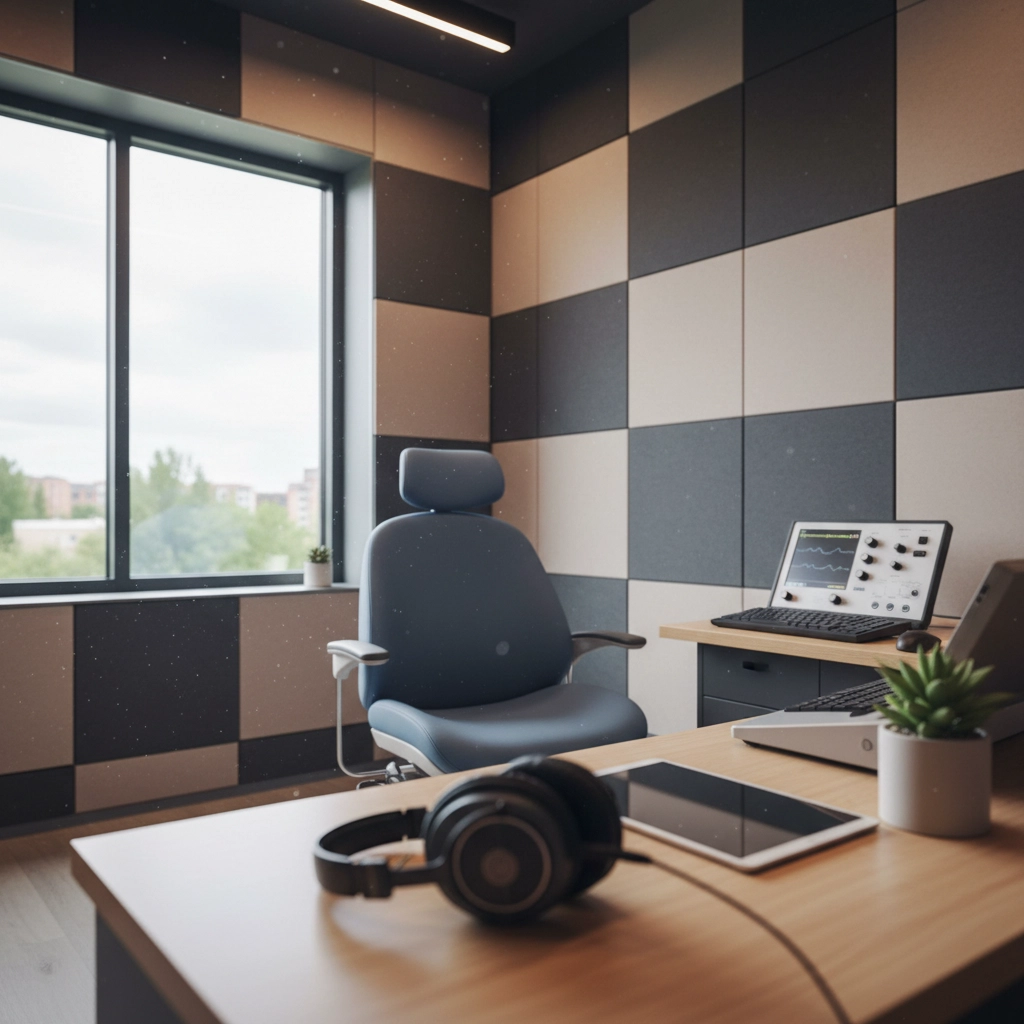
The comprehensive APD evaluation includes multiple types of testing designed to assess how well you hear and understand speech, particularly in challenging listening environments. You might be asked to repeat words, identify sounds, or follow instructions while background noise is present. The testing is painless and usually takes about 1-2 hours, depending on the specific assessments needed.
7. Prepare Your Questions in Advance
One of the best ways to make the most of your appointment is to write down questions beforehand. When you're in the moment, it's easy to forget what you wanted to ask. Consider questions like:
- What specific challenges am I experiencing with hearing and communication?
- What do the test results mean for daily life?
- What treatment options are available?
- How long does treatment typically take?
- What can I expect in terms of improvement?
- Are there strategies I can use at home or work?
Your audiologist will be happy to explain everything in detail, so don't hesitate to ask for clarification on anything you don't understand.
8. Do Some Light Research (But Don't Go Overboard)
A little bit of preparation can help you feel more informed and less anxious, but try not to fall down the internet rabbit hole. Reading too much beforehand can sometimes create unnecessary stress and confusion.
Stick to reputable sources like the American Academy of Audiology or trusted medical websites for just enough information to feel prepared. The goal is to be informed without becoming overwhelmed by every possible scenario or outcome.

9. Plan Something Relaxing Before Your Appointment
Create a positive experience by doing something calming before your visit. Take a relaxing walk, read your favorite book, listen to soothing music, or grab your favorite coffee. These small actions can help put you in the right mindset and reduce anxiety before your appointment.
If you're bringing a child for testing, consider planning a fun activity afterward: not as a reward for "getting through" the appointment, but just to create positive associations with taking care of their health.
10. Understand the Path Forward After Testing
Once your diagnostic testing is complete, your audiologist will sit down with you for a detailed discussion of your results and potential treatment options. The results will be presented in the form of an audiogram: a graph that shows your hearing sensitivity using different frequencies and volumes.
Don't worry if it looks confusing at first: your provider will take time to thoroughly explain what everything means and discuss solutions that make sense for your specific situation. This isn't a "one-size-fits-all" approach; treatment plans are tailored to your individual needs and lifestyle.
If APD is diagnosed, treatment might include auditory training exercises, environmental modifications, assistive listening devices, or communication strategies. The key is that you'll have a clear understanding of your options and can make informed decisions about your care.
You're Not Alone in This Journey
Remember, seeking APD testing shows incredible self-advocacy or dedication to your child's wellbeing. Many people struggle with auditory processing challenges without ever getting proper evaluation or treatment. By taking this step, you're opening the door to better communication, improved quality of life, and effective coping strategies.
At Associates of Audiology, we're committed to providing compassionate, comprehensive care throughout your entire journey. Our team understands that every patient's experience is unique, and we're here to support you every step of the way.
If you're ready to schedule your APD evaluation or have questions about the testing process, don't hesitate to reach out. Taking that first step might feel daunting, but you're not walking this path alone; and that makes all the difference.